
Foodservice Operators Share 2026 Outlooks
FER checks in with several operators on their plans and outlooks for the year ahead.
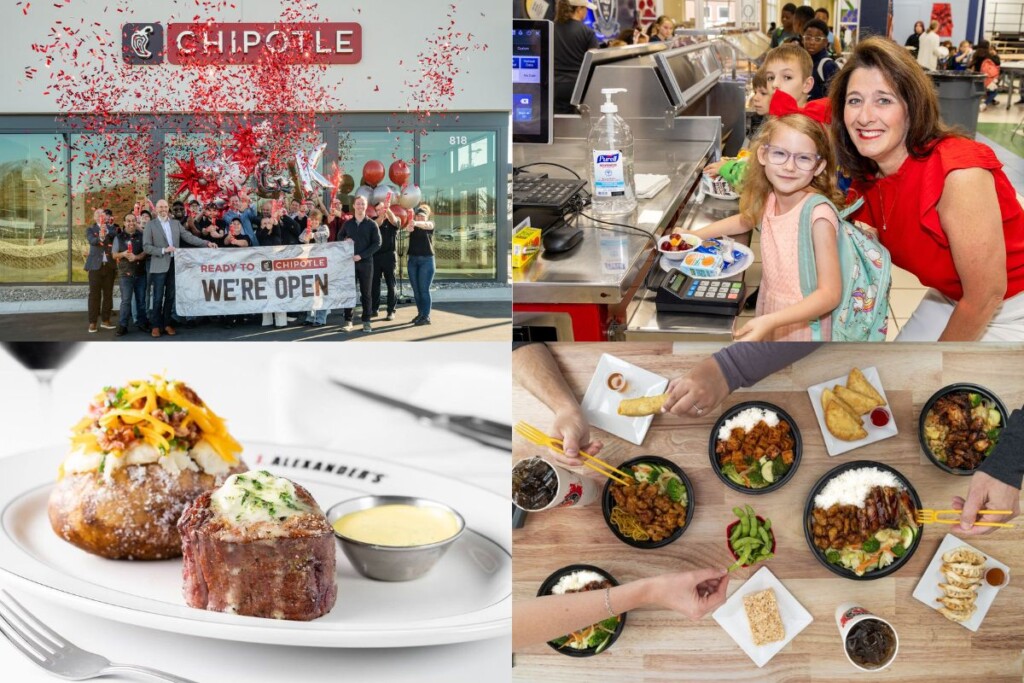
Tune in as operators share 2026 perspectives as part of FER’s annual state of the industry coverage.
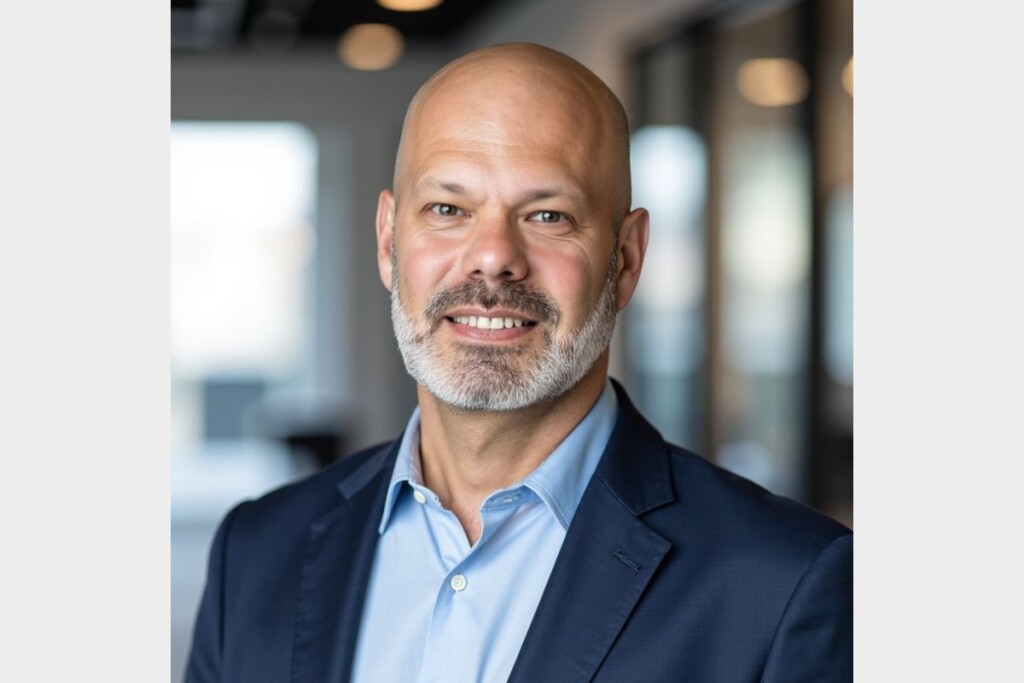
SCOTT SHOTTER
Chief restaurant officer
Teriyaki Madness, Denver
“In 2026 we’ll focus on equipment that protects what makes Teriyaki Madness special (made-to-order, wok-to-order freshness) while accelerating execution. We’re assessing our current platform and testing solutions that reduce bottlenecks, improve recovery and fit smaller kitchens given tight real-estate selections. We are looking at two possibilities—rice cooking equipment that allows us to cook as needed to reduce waste and improve quality, and a high-output wok range. The outcomes we’re targeting: faster ticket times, reliable consistency and smarter labor utilization. With compact, high-output tools, we can expand responsibly and deliver bold, fresh bowls at the speed guests expect.”
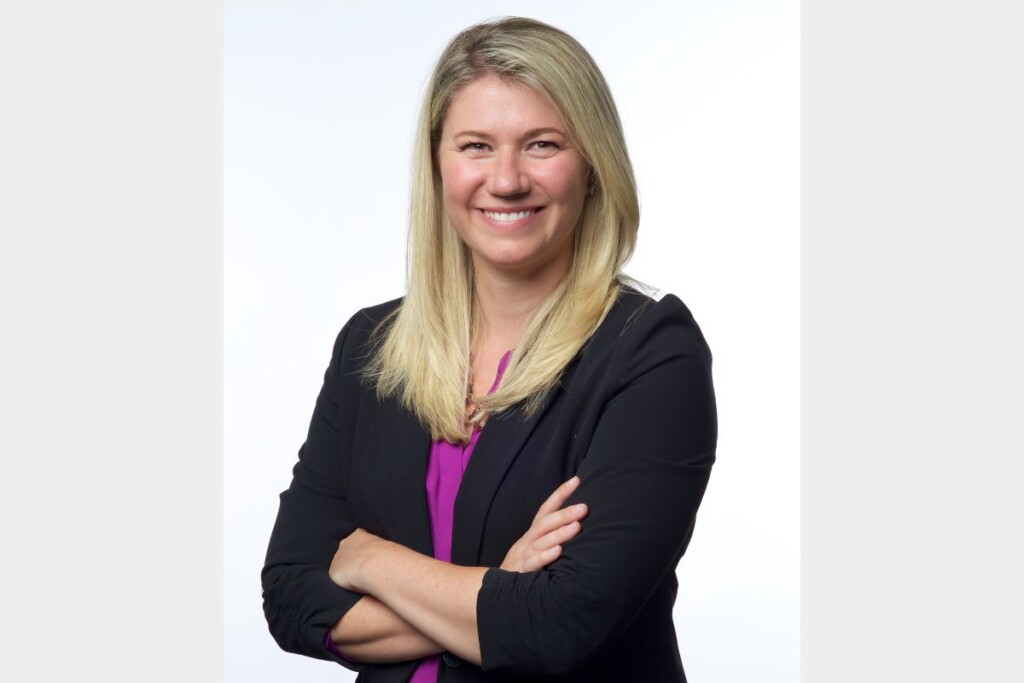
DANA EDWARDS MANATOS
Founder and CEO
MilkShake Factory, Pittsburgh
“Our biggest strength is our density and maturity. We entered 2025 with four franchise locations; going into 2026, we have 24. In 2025, we made several equipment investments, including adding continuous chocolate tempering units, to bring more chocolate production in-house. Along with our focus on house-made artisan chocolate barks, we introduced products such as chocolate molten cups and cake pops. These upgrades have strengthened both product quality and guest experience. In 2026, our focus shifts from expansion to optimization—maximizing the use of new equipment, improving cross-utilization and enhancing operational flow.”
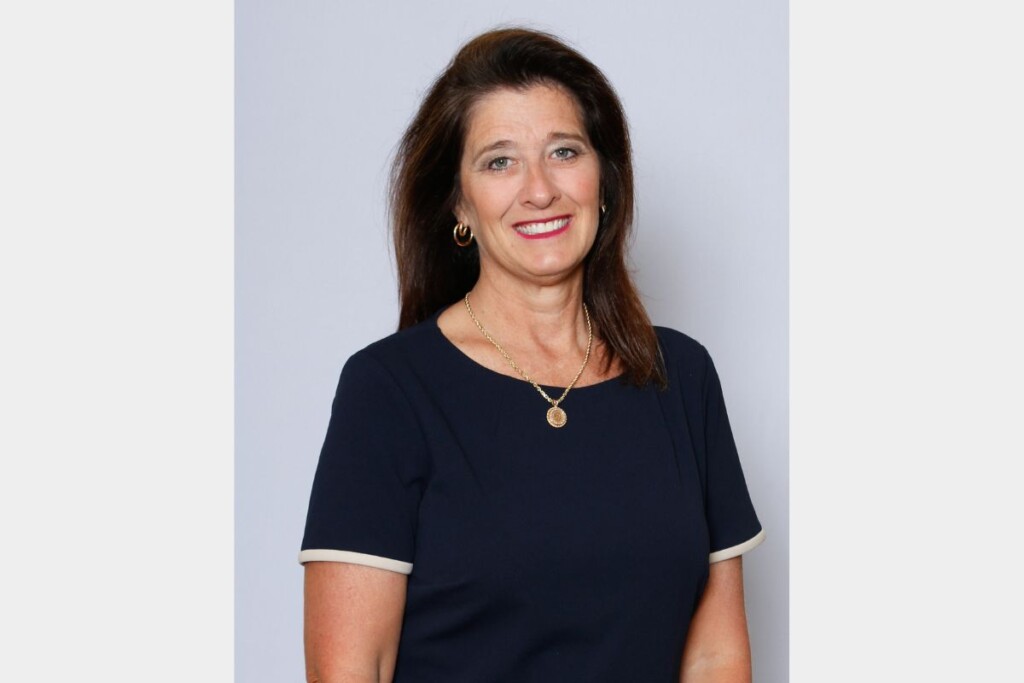
STEPHANIE DILLARD
Child nutrition director
Enterprise City Schools, Enterprise, Ala.
“Our team’s greatest strength is our ability to do more with less. Despite staff shortages and tight budgets, our employees remain optimistic, adaptable and committed to serving students. For 2026, we are considering a new serving line to streamline labor and allow students to self-serve. We’re expanding our Farm to School Program and just purchased 5-gallon salad spinners to prepare our locally grown lettuce and fresh collards. We’ll also invest in additional combi ovens to replace aging equipment and improve efficiency.”
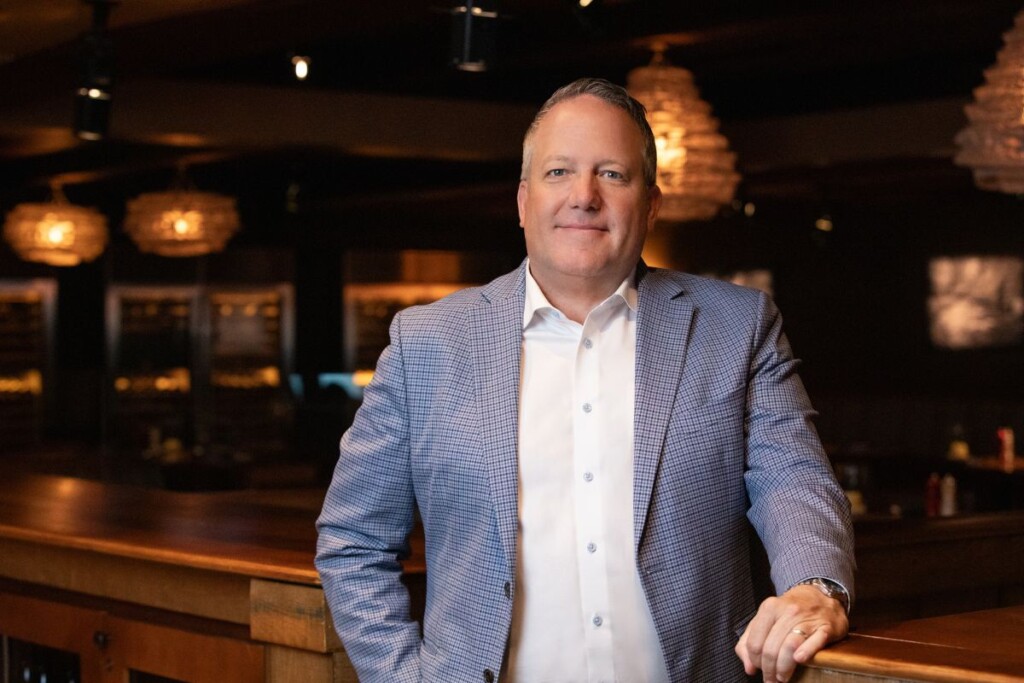
CHRIS CONLON
Executive vice president of operations
SPB Hospitality (parent company of J. Alexander’s), Houston
“Over the past year, J. Alexander’s has tested several pieces of equipment and is incorporating them into future builds where they add the most value. Combi ovens and high-speed ovens have been particularly well received, and the addition of French tops has provided our kitchens with valuable flexibility. As we continue refining our designs, we’re prioritizing investments that enhance speed, consistency and overall efficiency. We also plan to add sushi to the menu in our new builds to help attract a newer, younger guest base. This also strategically eases pressure on kitchen stations.”

TIM ROSE
Director of dining facilities
Carnegie Mellon University, Pittsburgh
“At CMU, we own and manage the facilities that support our privately operated dining vendors, giving us the flexibility to deliver authentic, diverse cuisine that reflects our student community. This year, we’re investing in a blast chiller and self-filtering fryers to boost productivity and enhance food safety, while reworking kitchen spaces to introduce a new concept and opening a newly renovated coffee location in our library in January 2026. We’re optimistic that our updated management strategy, expanded preventive maintenance, new repair partnerships and a new equipment provider will elevate our operations as we continue raising the bar.”
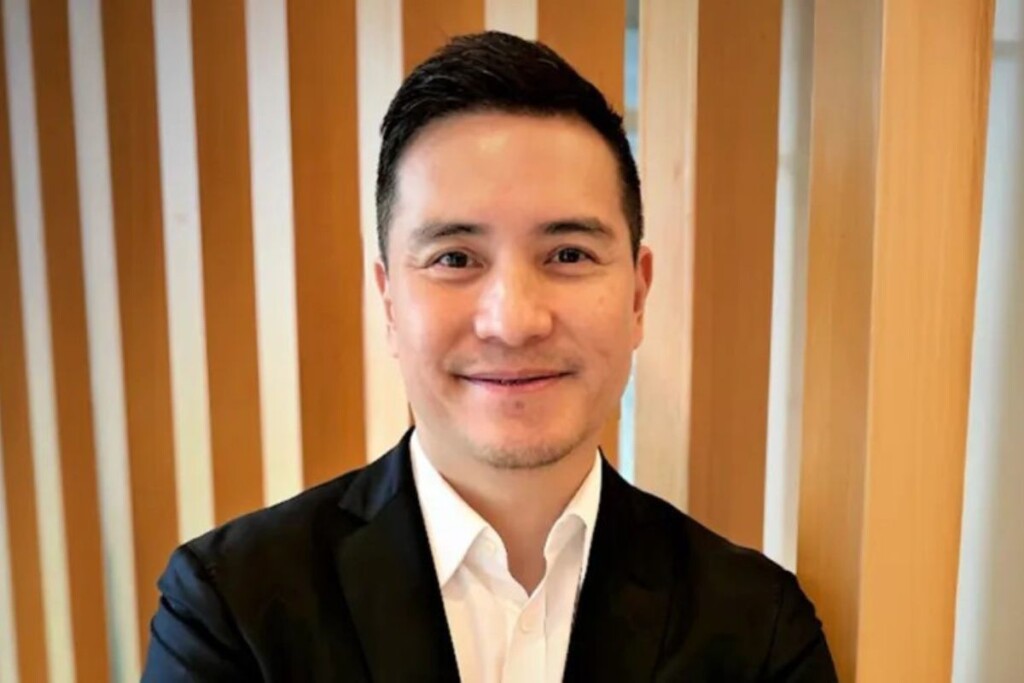 STEVEN YANG
Senior vice president of APAC
GoTo Foods Int’l. (parent company of Moe’s), Atlanta
“One of the exciting opportunities Moe’s Casa Mexicana sees for 2026 is maximizing the efficiency of our existing equipment and kitchen spaces. As we continue to scale in the APAC region, optimizing our kitchens for both speed and quality is critical. We’re looking into improving kitchen layouts to facilitate faster service during peak times. Since we have many store configurations and sizes, we often explore equipment configurations that will allow us to customize without sacrificing functionality. We’ll also be testing out more eco-friendly solutions to reduce waste.”
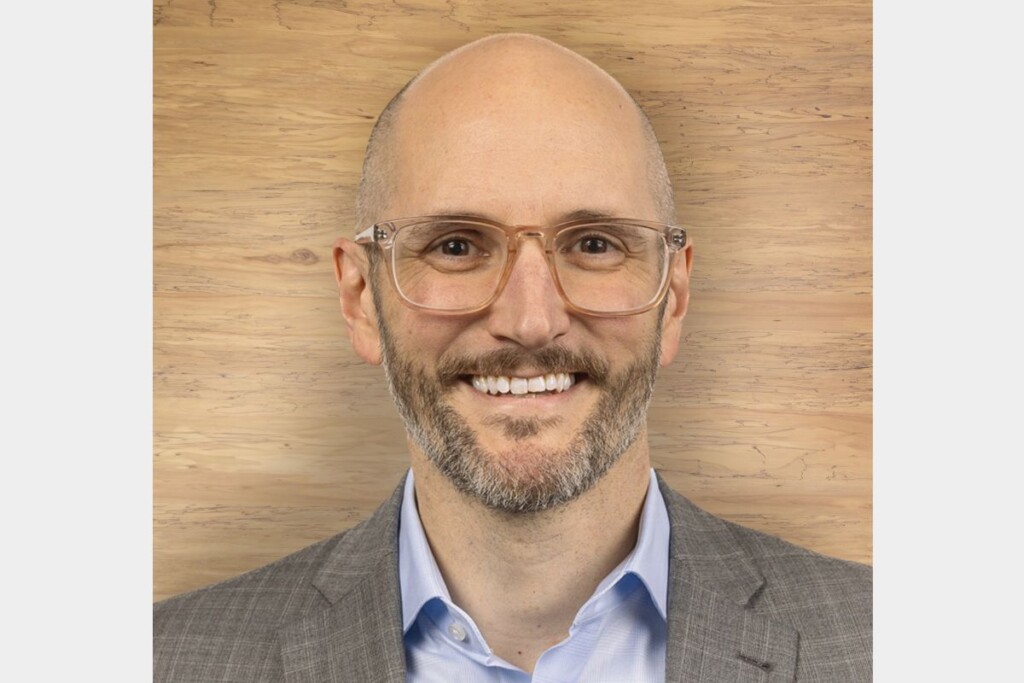 GARRETT CALDERWOOD
Vice president of operations services
Chipotle Mexican Grill, Newport Beach, Calif.
“In 2026, our focus is scaling the high-efficiency equipment package (HEEP) across new and existing restaurants. The package, which features the three-pan rice cooker, dual-sided plancha, high-capacity fryer and produce slicer, increases throughput and reduces prep and cook time, freeing up team members to provide excellent hospitality. Notably, the dual-sided plancha improves the crew experience on the grill while producing a more consistent product for our guests. We will also use HEEP to grow group occasions through catering, specifically in our Chicago test market where we’ll have new technology supporting the initiative.”
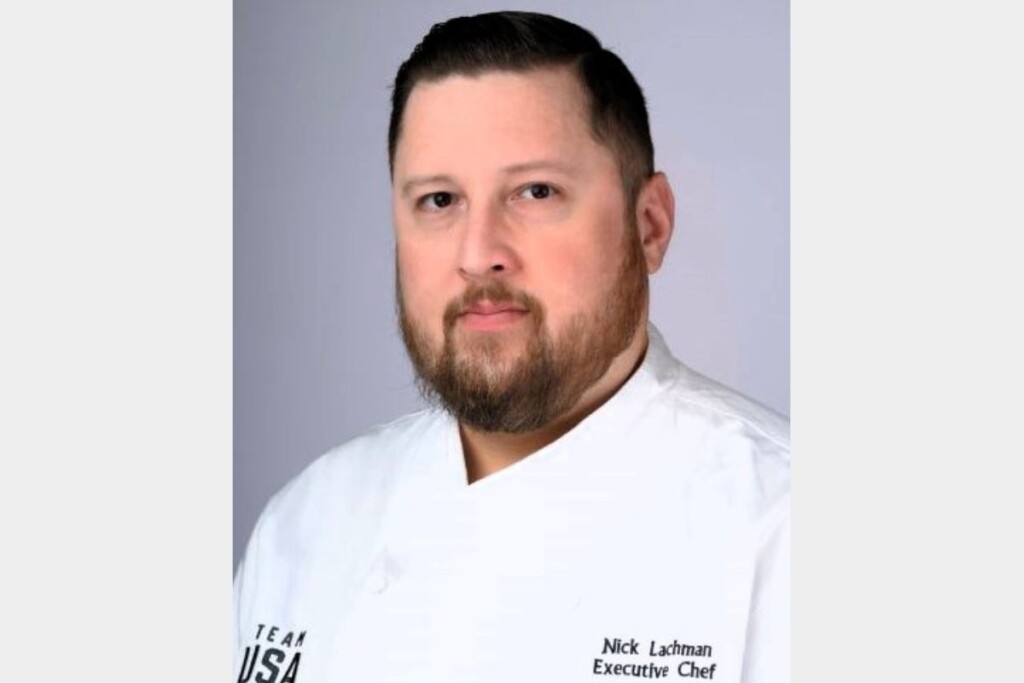 NICK LACHMAN
Executive chef/culinary manager
Colorado Springs Olympic & Paralympic Training Center Food & Nutritional Services, Colorado Springs, Colo.
“In 2026, our operation’s greatest strength lies in how intentionally we leverage modern culinary technology to support elite performance nutrition. Our touchless, self-dispensing salad bars provide athletes with precise, portion-controlled ingredients for building fresh salads that align with individualized nutrition needs, while our programable touch screen combi ovens and tilt skillets allow us to efficiently produce large volumes of high-quality hot entrees that anchor our fueling program. We also use high-speed rapid-cook ovens in place of traditional deep frying, enabling us to serve familiar items like french fries with a more nutritionally advantageous profile.”
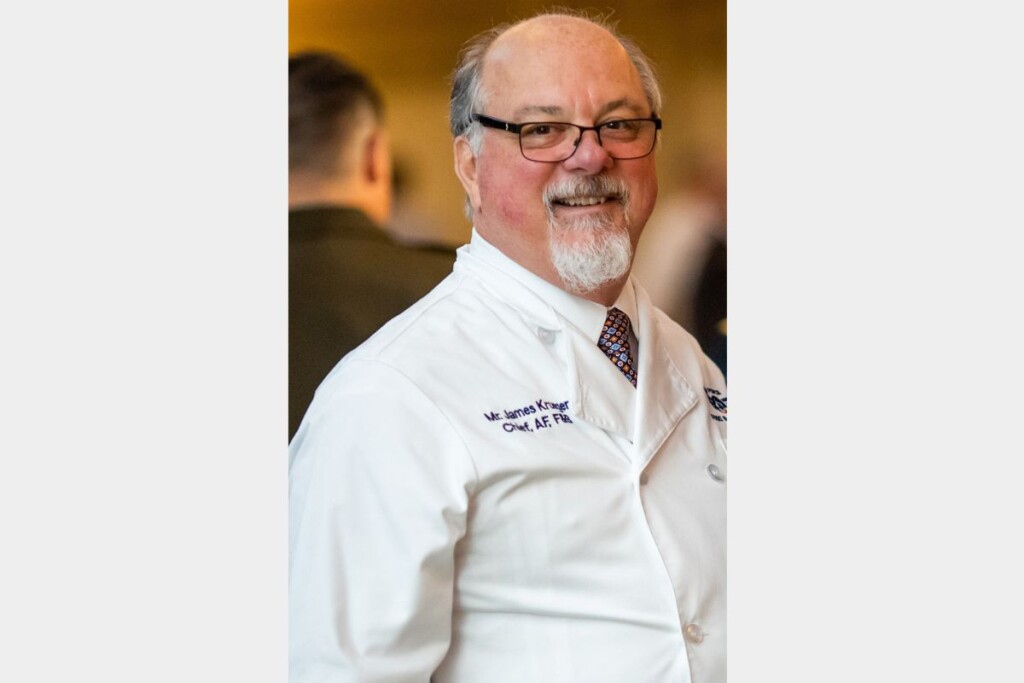 JIM KRUEGER
Chief, DAF (Air Force & US Space Force) Mission Feeding
Directorate Mission Operations (VM), Air Force Services Center
“Consumers now prioritize simple, convenient options, shifting away from traditional planned meal breaks. Consequently, many of our military customers are opting for snacks rather than full meals. To capitalize on this trend, we are retooling traditional dining facilities and expanding grab-and-go offerings. We leverage the existing dining facility (DFAC) ecosystem for centralized preparation, then supply mission-feeding food and beverage kiosks located closer to work centers. In 2026, we are actively seeking industry solutions to address persistent labor shortages, as filling certain positions remains a significant challenge. We’re encouraged by the ongoing innovation in areas like ventless technology, energy efficiency and, especially, robotics.”
ABOUT THE AUTHOR

RELATED CONTENT

- Advertisement -
- Advertisement -
- Advertisement -
TRENDING NOW
- Advertisement -
- Advertisement -
- Advertisement -