
Here’s The Deal: Managing an Equipment Rollout
TriMark USA’s Bryan Musgrove shares how to equip for a new menu item.
So much happens behind the scenes before a new menu item hits the plate. Bryan Musgrove, divisional senior director on national accounts for TriMark USA, has worked on many equipment rollouts to support new menu items. Here, he shares some best practices to help make your rollout as seamless as possible.
Create a playbook for the rollout across locations. TriMark worked with a brand that needed new toasters to add toasted sandwiches to its existing breakfast lineup of biscuits and wraps. “Sometimes, you get in locations and their electrical capacity is already maxed out,” Musgrove says. “Or a small mall or urban location doesn’t have the counter space for a toaster … so you’re having to create space by adding shelving or an additional table, which impacts workflow.” The playbook will break down which locations are plug-and-play and which need additional support.
Build a schedule driven by the manufacturer’s lead time. “The manufacturer may say they can produce 200 units, (but) how long is that going to take?” Musgrove says. “If they can produce 10 a week, that’s going to take us 20 weeks. … They may say, ‘We’ve got inventory to do your first 50, then we have to order parts that are coming from overseas, so it’ll be eight weeks, then we can knock the rest out.’” For a menu item launching with a marketing campaign around a specific season or occasion, work backward from the desired launch date to create an achievable timeline.
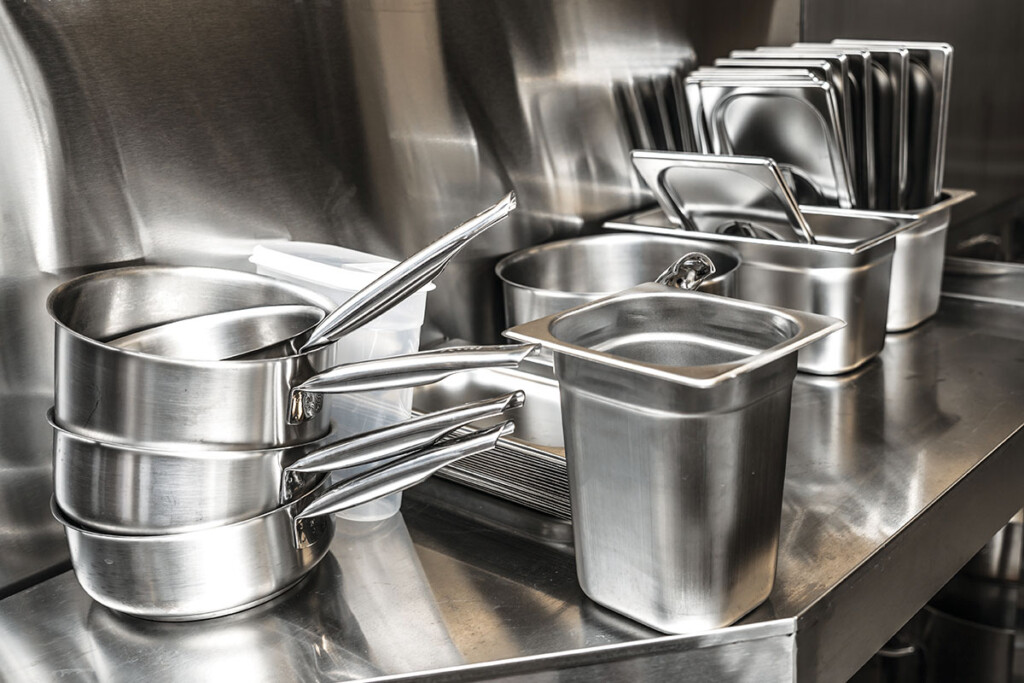
Rework packaging to make deliveries easier. Instead of shipping smaller wares directly to locations in their original boxes, consider asking your dealer to consolidate and repackage them into one package per location. TriMark worked with one brand to add macaroni and cheese to its lineup of sides, which required the addition of visual holding cabinets, pans and serving scoops in varying sizes. It combined the items into one package per location, complete with instructional materials and exterior labeling so managers knew exactly what they were getting when it arrived.
Following these best practices, from deciding which locations need more support to simplifying deliveries, will ensure a smooth rollout. And if all goes as planned, the new menu item will generate buzz and increase traffic.
ABOUT THE AUTHOR

RELATED CONTENT
- Advertisement -
- Advertisement -
- Advertisement -
TRENDING NOW
- Advertisement -
- Advertisement -
- Advertisement -