
Find the Right High-Speed Oven—Faster
Assess high-speed ovens’ cooking technologies, connectivity options, accessories and more to cross the finish line of your equipment search.
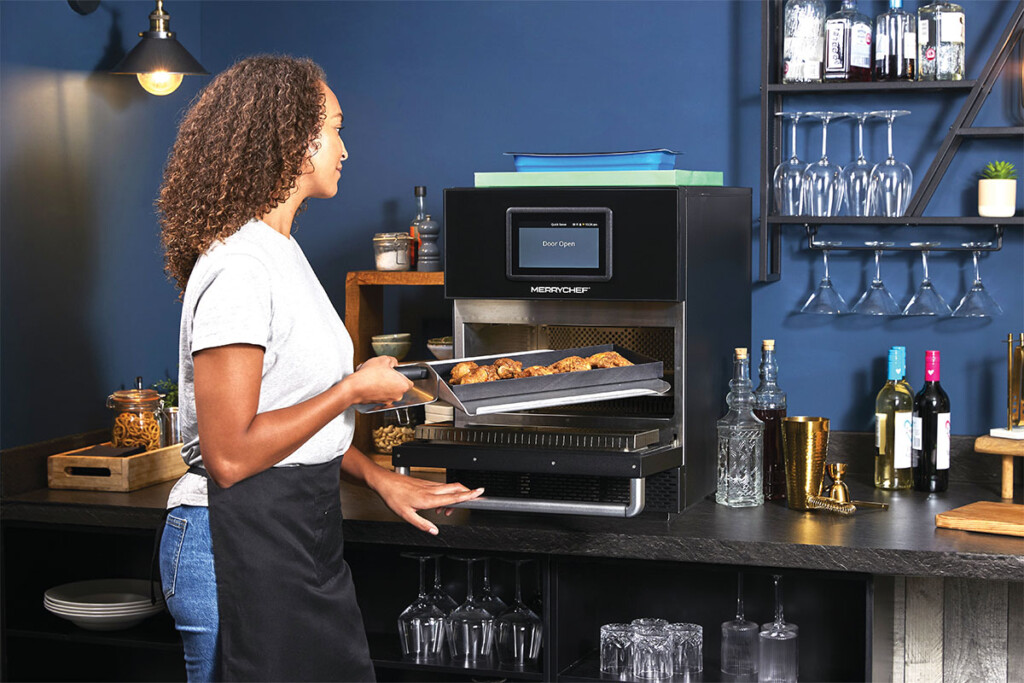
High-speed ovens can meticulously mind your ps and qs: pizzas and paninis, quesadillas and more quintessential fare. Thanks to recipe programming, the units promptly free up staff members’ hands and minds, letting them cater to customers without burning someone’s lunch.
This ease of use has appealed to assorted operators—from convenience stores and national fast-casuals to independents, bars and coffee shops—including those delving into new menu spaces. For example, beverage-geared Smoothie King added high-speed ovens in 2025 to support its first food menu, featuring chicken skewers and egg bites, among other items. Ventless operation was key, the brand previously told FER, and operational speed and ease of training were notable plusses. And while those perks are commonly associated with speed ovens, there are plenty of intricacies as well as new models to consider.
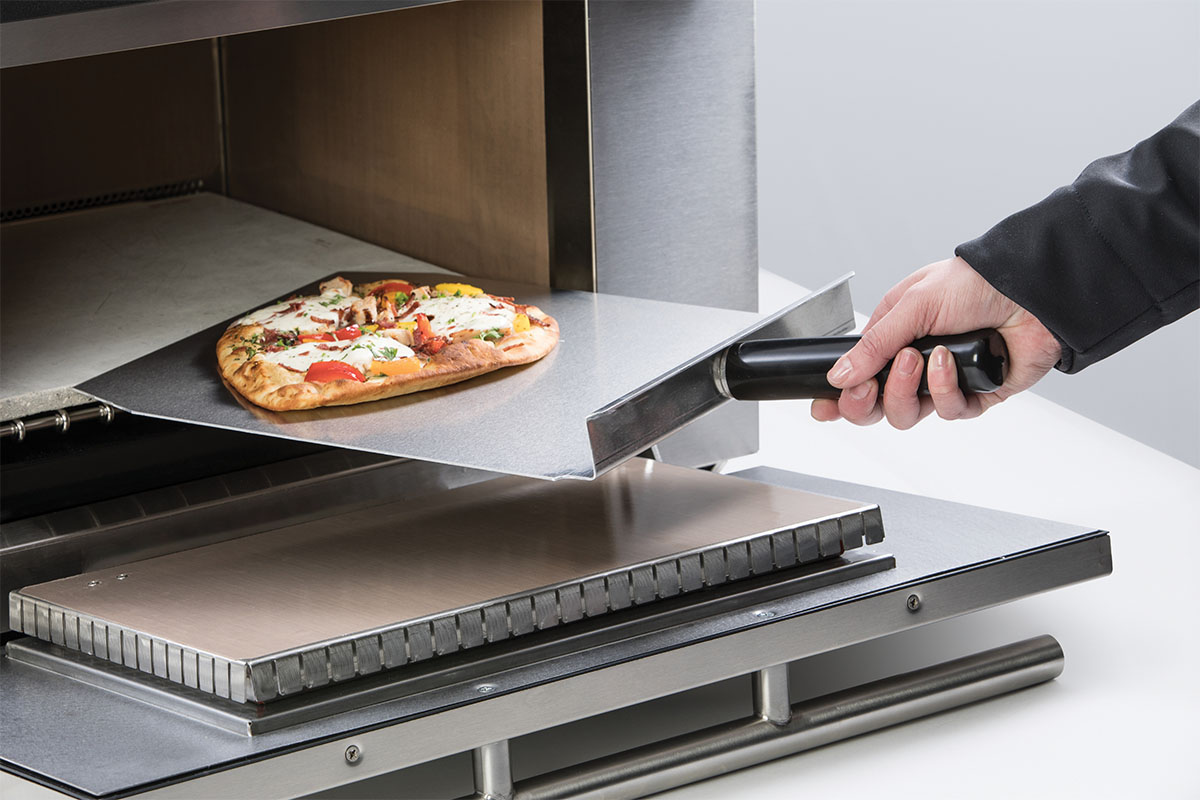
Flatbreads and pizzas mark popular items for high-speed ovens; be sure to check your cavity size against product diameter. Courtesy of ACP.
Space Exploration
At the National Restaurant Association Show, one manufacturer will debut a compact, stackable oven with convection as well as twin inverter microwave technology. “It allows our oven to deliver continuously controlled energy—not pulses,” they say. “That means true wattage power adjustment, allowing you to cook at gentler, more precise levels without sacrificing speed or textures. When paired with bottom-fed microwave energy and hot plate technology, heat is distributed more evenly through the product—reducing cold spots and helping maintain moisture all while keeping up with our competitors’ speeds.” They say this oven can handle more delicate items like fresh mozzarella, for example.
Another manufacturer launched two models at The NAFEM Show 2025 with several distinctions between them, including a $6,000 price difference. The budget-conscious unit is designed for entry-level operators like independents with more basic menu needs; it operates at a lower amperage, and does not include features like two-way connectivity, though users can import and export up to 80 recipes via a USB drive. Meanwhile, multiunit chains may value the other model’s inclusion of two-way connectivity as well as a removable panini press.
A removable panini press line also was a conscious area of innovation for another maker that recently introduced theirs and, in response to customer requests, now offers the accessory for a larger model with a 16-inch cavity. “Basically, what that gives you is just more flexibility,” they say. “You could cook two paninis or two burritos or two quesadillas at one time.” The brand offers two different height openings to accommodate different product types, plus an option for either a flat or grilled bottom plate on the press designed for thicker products. This maker also says it’s experimenting with flat plates on both sides for operators seeking flat/smashed products, though it doesn’t currently offer the option.
Clocking Your Needs
Finding the right mix of bells and whistles on your high-speed oven relies upon the familiar song and dance of self-evaluation. Here’s what makers recommend considering:
• What’s on the menu? Will you be retherming or toasting individual products to-order, or prepping larger batches of proteins? If the former, a smaller-format, countertop oven with microwaves and impinged air will likely offer the needed speed and crunch. Frozen products might need a higher microwave power. Meanwhile, a multiple-cavity, impinged-air-only unit—while a bit slower—may better fulfill high throughputs. One such model, which a large fast-casual uses to prep ribs, chicken breast and salmon, can accommodate half a sheet pan at the time. That same cavity can accommodate a 16-inch pizza, whereas other units’ cavities are around 12 inches wide. Another maker says its use of infrared radiant heat, when paired with a pizza stone, mimics the quality of a deck oven for browning a pizza. Though that technology was rolled out several years ago, additional models with infrared radiant heat are on the horizon for 2027, they say. While mulling menu needs (and possible future expansions of them), also consider if you’d benefit from accessories like the panini press, even if paninis aren’t on the menu. Despite its name, makers says the press is popular for other items, including the aforementioned quesadillas and burritos. Additionally, it can cook and add grill marks to chicken breast (maybe to go atop a salad) without the labor, attention and ventilation the cooking process demands on a grill. “It’s all about that simplification and consistency for the operator,” says the manufacturer. Another maker with a panini press option also offers other accessories including a steamer set and egg pan.
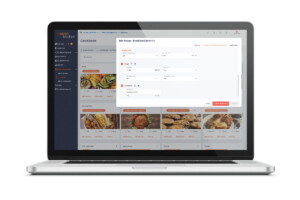
On select models, connectivity enables efficient, off-site menu programming and more. Courtesy of TurboChef.
• What’s your ideal menu management style? Menu programming and touch screen controls largely aid in a high-speed oven’s ease of use, but upfront programming and display options vary. One maker’s newest units rely on USB drives to upload recipes, which are then displayed as images on the oven. They say the image-based digital display—not standard with all their competitors—aids in quick and easy program recognition. Several other ovens can wirelessly distribute recipes through two-way connectivity, which also enables firmware updates as well as oven performance monitoring. “When they have a limited-time offer or a new menu item, and it demands for them to physically have to go to each oven to update the program, it’s problematic, and it costs more money than people think, just for the time spent getting an email, downloading and going to it,” says one manufacturer with connectivity. Another potential use one maker says they see on the horizon is in measuring LTOs, and even potentially comparing oven data with point of sale data to troubleshoot any discrepancies, which, unchecked, could impact inventory management and more. On models with connectivity, ask about subscription fees, as some offer discounts when you sign on upfront vs. after a free trial runs out.
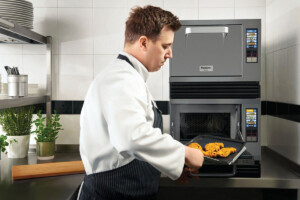
Stacked units help operators boost throughput while maintaining a compact and ventless footprint. Courtesy of Panasonic
• What limitations do you have? Just as important as considering all that you can do with a high-speed oven is checking for what you cannot accommodate. Electrical—single phase or three phase, plus available amperage, as some call for 50 amps rather than a more-flexible 30 amps—is worth triple checking ahead of an oven purchase. Several manufacturers also recommend installing a Type D circuit breaker. “Evaluating the electrical setup early helps avoid delays and ensures the equipment can be installed smoothly,” one maker says. Physical space is another important limitation to consider upfront, though creative solutions exist within the category. Stackable units—some on carts and others on countertops—enable growth within a vertical footprint, possibly unlocking that needed throughput for a space-strapped operation better than a single oven could. Clearance requirements vary as well; for example, one unit with no side clearance required does need 2 inches of clearance overhead, while another needs 2 inches on the sides and back, plus 5 inches on top. If you’re eyeing a front-of-house setup, you may want to consider how quietly a unit operates; select makers pride themselves on this function. Your budget, too, is a limitation worth weighing, though makers urge operators to consider the value a higher-end model might offer.
• What does maintenance look like? You’ll also want to take note of a prospective oven’s cleaning processes and alerts, as those all-important guidelines differ from model to model. Some ovens call for soap and water on the interior while others specify a powdered, non-caustic cleaner. Select units also have time-activated cleaning reminders after a unit is run for a certain number of hours; operators can adjust alerts as needed. At least two makers offer washable, reusable oven cavity liners that cover the interior’s bottom, front and side walls to reduce chemical costs as well as labor. Some models also feature removable catalytic converters that employees can remove and clean without tools. One maker with this option says it helps “simplify routine upkeep and reduce costs and downtime, allowing staff to keep the equipment performing at its best with minimal effort.” Speaking of removable parts, one maker’s panini press can be put in the dishwasher, though they note that handwashing is recommended for a longer life. Another model has a removable jet plate on the bottom; the maker says a spare can come in handy, so one is clean and ready to use while another heads to warewashing. Ultimately, your menu and throughput will impact cleaning frequency, which may increase if menu items are greasier. To help simplify staff training, at least one maker can add a custom QR code that employees can scan to access cleaning procedures, the number to call for service and more.
Quick Hits
Some other considerations include:
• Do you need culinary aid? Chains without their own research and development team might place extra value on partnering with a manufacturer offering as-needed culinary teams; there are a few. They’ll offer complimentary support with menu testing prepurchase as well as on-call support for troubleshooting LTOs and more.
• Do you need food product? At least one maker also has food partners, enabling an operator to link up with, say, an empanada provider and then test that product in the oven.
• How does the oven cool itself? At least one maker recommends asking about cooling technologies. They have an air filter on the front of the unit because other equipment often exhausts to the back. This also makes the filter easier to access for cleaning, they note.
• What service support is available? Some brands have service hotlines that help connect operators with a third-party provider, as needed. Select warranties cover heating elements as well as parts and labor, but coverage spans vary.
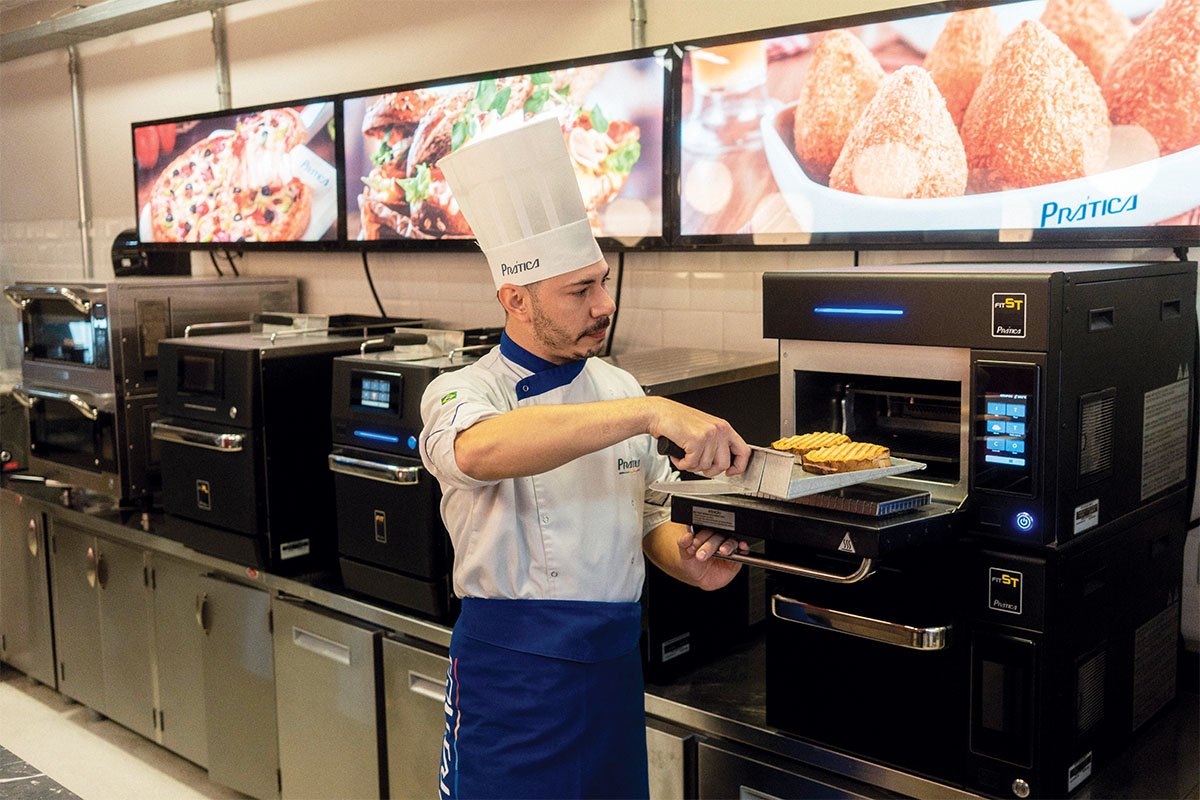
Consider batch sizes when looking for a speed oven, as some operators might want to look to stacked or multiple-cavity models for higher throughput. Courtesy of Pratica.
Go Through the Paces
Finally, a test run is recommended. “Some operators underestimate the value of working closely with the manufacturer or representatives during the selection process,” says one maker. “Access to demo kitchens, product testing, recipe development and operational guidance can make a significant difference.”
Photo Finish
Jot down notes on ventless high-speed oven models and accessories from four manufacturers.
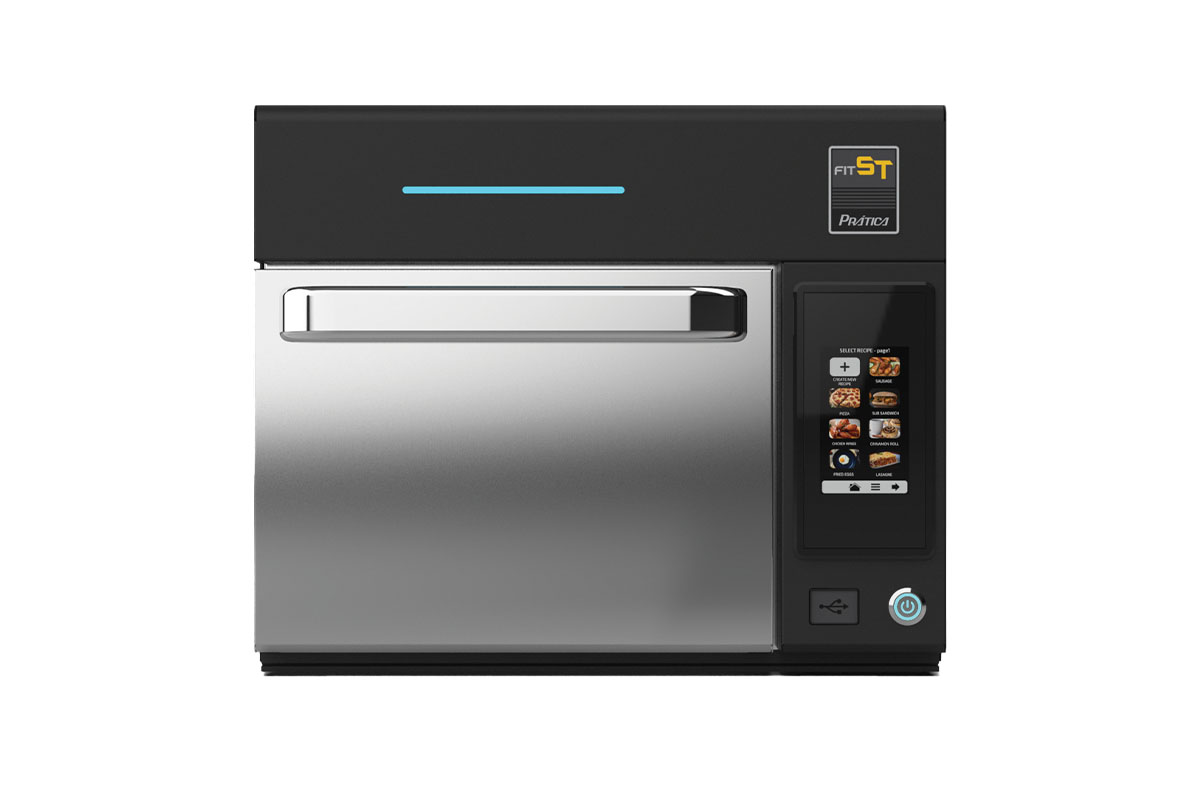
Pratica
Model: Fit ST
Details: Finish partially prepped items like breakfast sandwiches, lasagna, subs and more in this stackable unit with impinged air and microwaves. Program (via USB or Wi-Fi) and store endless recipes, with up to eight steps per item. Refer to the touch screen for daily cleaning videos.
Website: praticausa.com
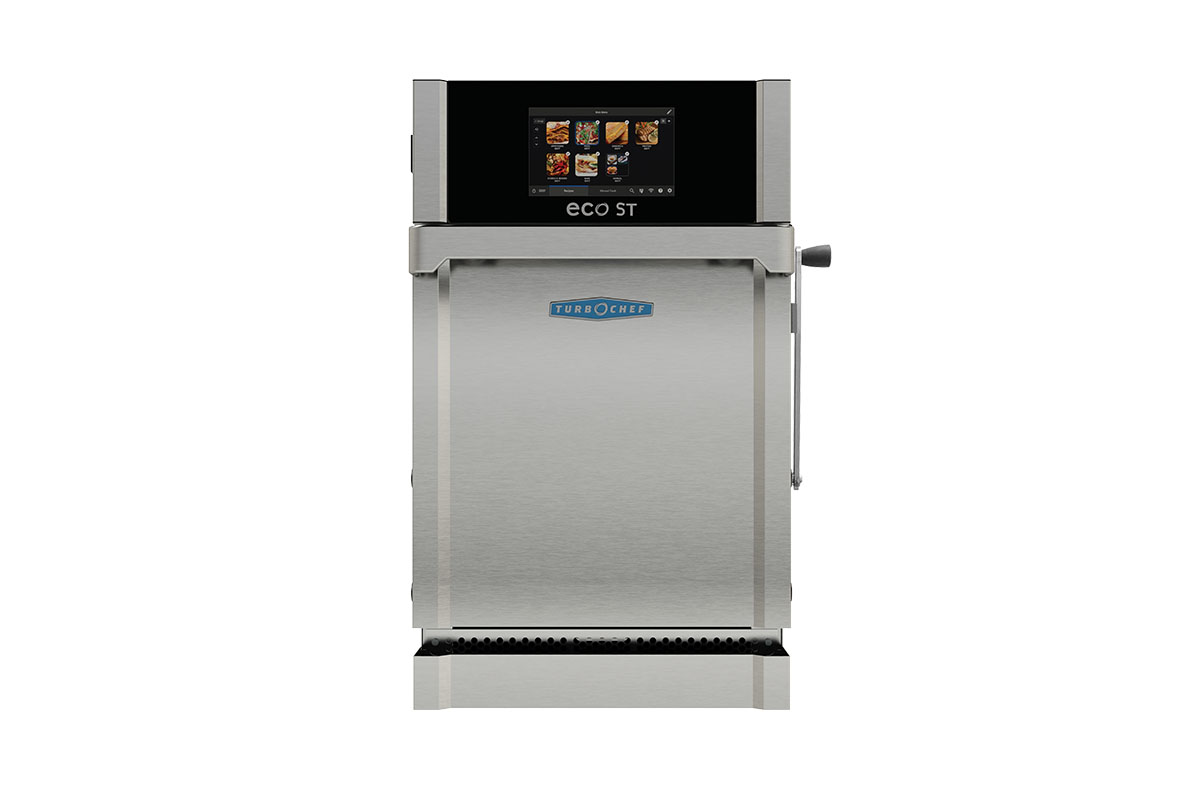
TurboChef
Model: ECO ST El Bandido
Details: Tap into two-way connectivity for recipe programming (with unlimited storage), self-diagnostics and more operational insights. An included removable panini press adds versatility. Removable components—including the cook plate and lower jet plate—ease cleaning.
Website: turbochef.com
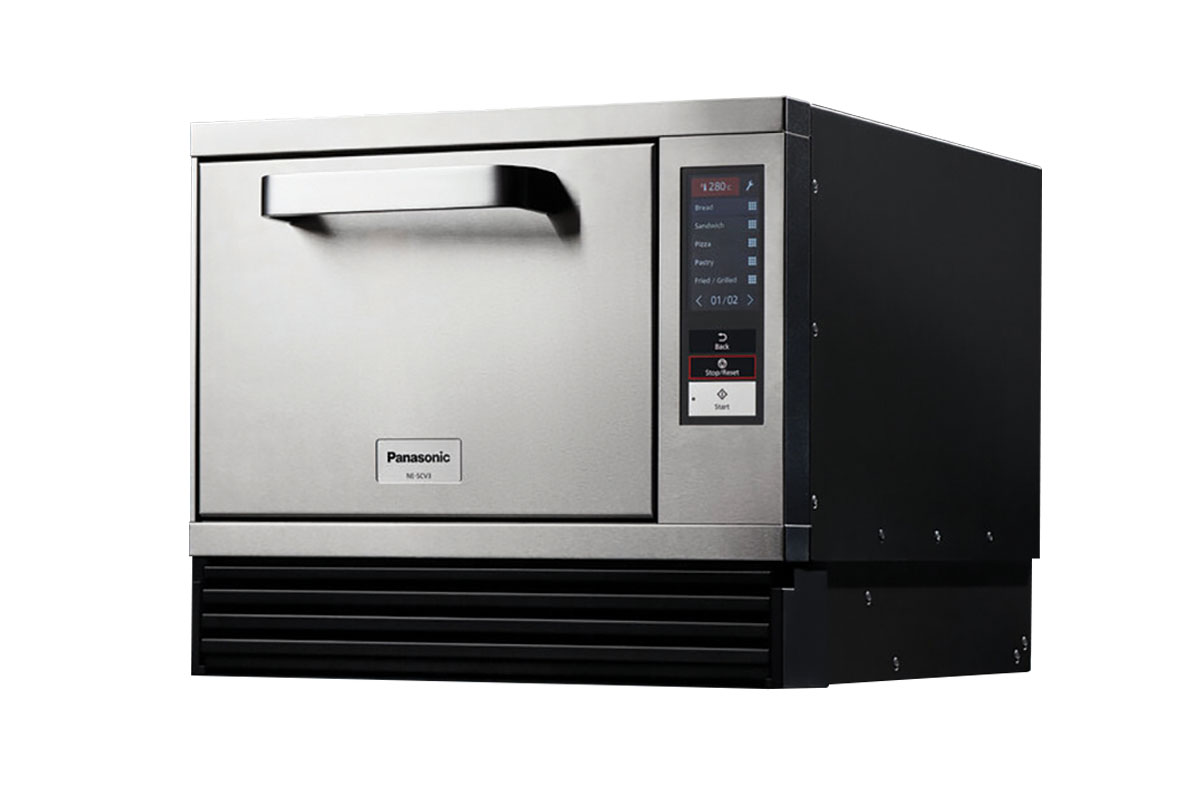
Panasonic
Model: SCV3
Details: Tap into 24 possible settings and up to three stages to cook fresh or frozen products. The model’s twin inverter technology, paired with convection, aids in even texture and browning. Add up to 100 recipes via an app or USB. This model also is stackable.
Website: shop.panasonic.com/pages/professional-kitchen
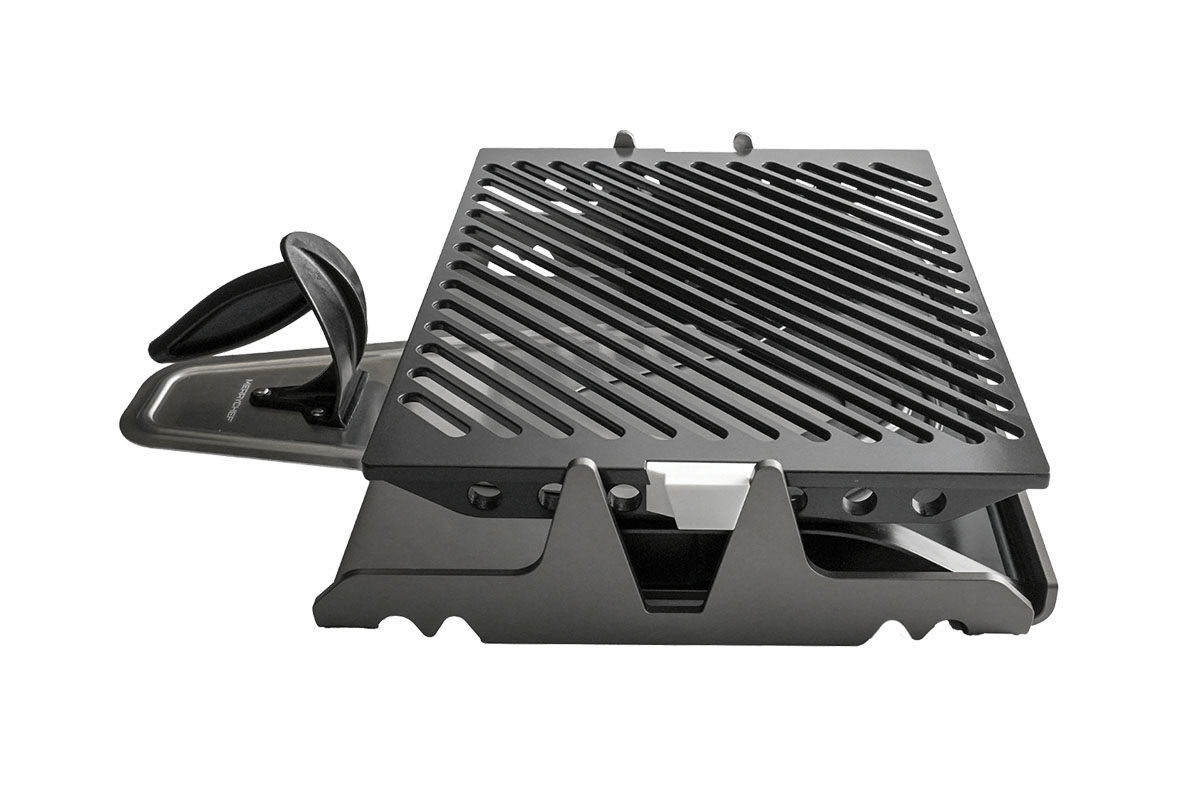
Merrychef
Model: High-opening panini press with flat bottom plate
Details: Now offered for Merrychef’s conneX 16 speed oven, this accessory (one of three press options it has) is ideal for preparing paninis, bagels, subs and sandwiches. Food slides between the plates on a paddle and compression is activated once the paddle is removed.
Website: merrychef.com
Editor’s note: All featured products have been released or updated since January 2024.
ABOUT THE AUTHOR

RELATED CONTENT
- Advertisement -
- Advertisement -
- Advertisement -
TRENDING NOW
- Advertisement -
- Advertisement -
- Advertisement -