
How the Proper Kitchen Timer Can Help Save Money

The past couple years have been rough for operators. Despite surviving the pandemic, there still remains significant challenges such as labor shortages, rising costs, and supply chain issues. Needless to say, cutting costs has never been more important. The big question is, how to do so without affecting quality and customer satisfaction? Believe it or…
Read MoreAre You Rinsing Your Produce the Right Way?
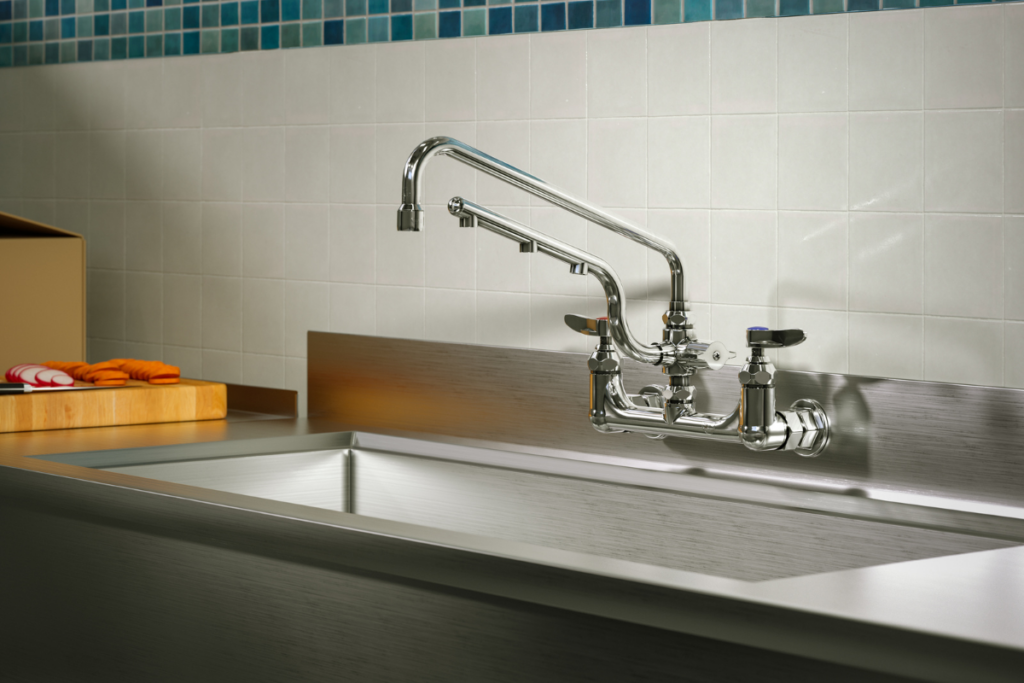
About 48 million people in the U.S. (one in six) get sick each year from foodborne diseases, according to recent data from the Centers for Disease Control and Prevention (CDC). This is a significant public health burden that is largely preventable, and the U.S. Food and Drug Administration (FDA) is on a mission to decrease…
Read More3 Ways Restaurants Can Fight Inflation with A Commercial Fryer
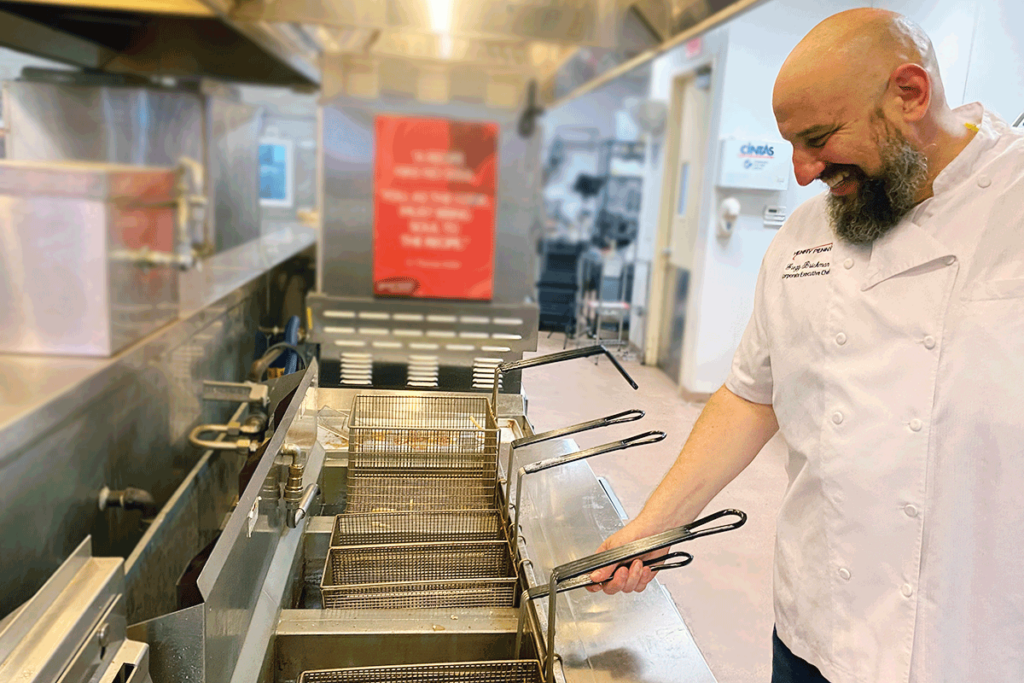
Record high inflation, rising food, labor, and utility costs along with ongoing staffing shortages are leading many restaurant operators to wonder if a recession is looming. There’s no question about it. Food prices are soaring. According to the Bureau of Labor Statistics, the food index shot up by more than 10 percent in May, making…
Read MoreThe Importance of Choosing Genuine OEM Parts in Commercial Fryers
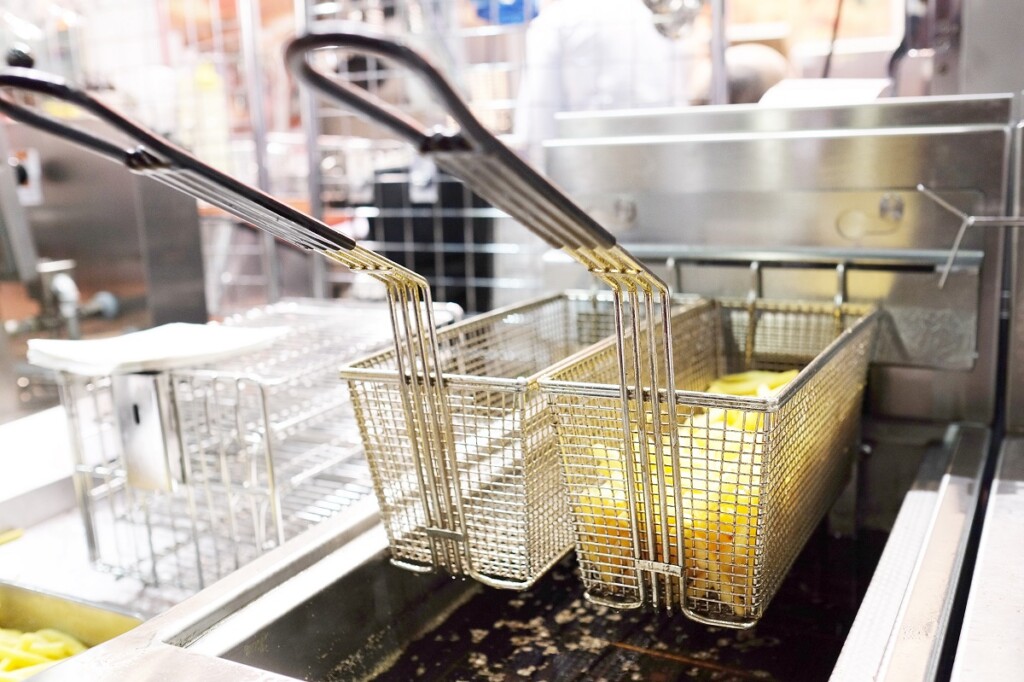
When your fryer is on the fritz, you may be tempted to use less-expensive generic or OCM parts instead of genuine OEM parts. Although you might think they’re all the same, this guide explains why genuine OEM parts are the better choice because of their safety, reliability, efficiency and warranty protection. Even if the upfront…
Read MoreWHY CHOOSING THE RIGHT SERVING LINE IS GOOD BUSINESS.
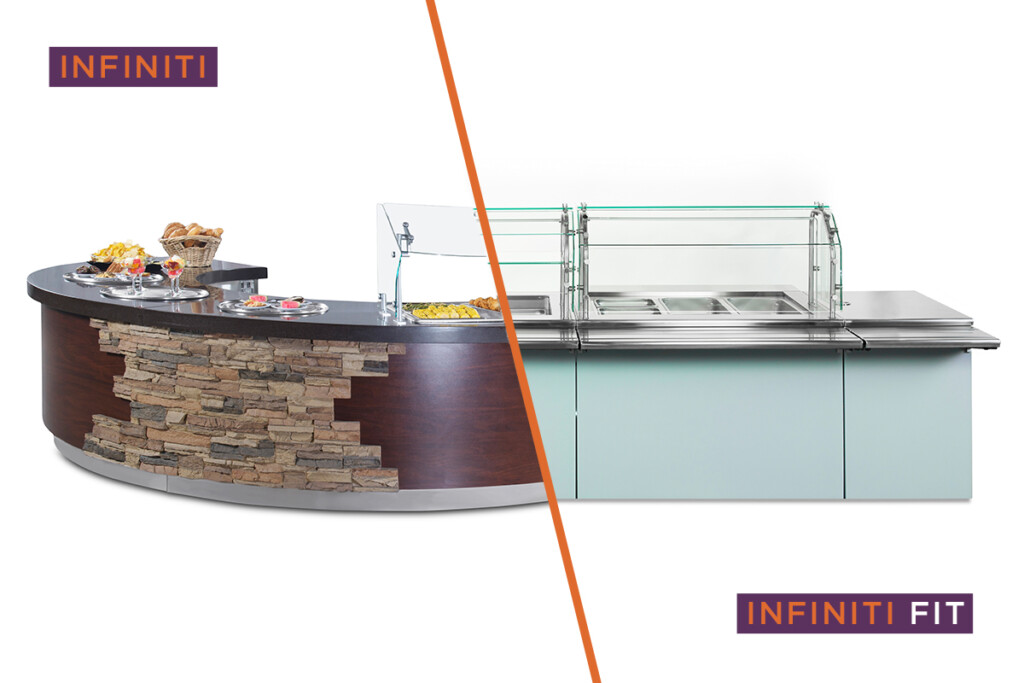
While aesthetics and functionality are always top of mind when considering a new serving line solution, it’s important that operators also consider the business angle of this decision. In this article, we’ll look at modular serving lines and custom serving lines through the lens of how each option could affect an operator’s bottom line now…
Read MoreThe Future Of Virtual Restaurants In A Post-Pandemic World

For restaurant operators, 2022 will be a pivotal year filled with promise, challenges, and change. As coronavirus cases continue to decline, medical experts believe the pandemic phase of COVID-19 is nearing an end, and a full return to in-person dining cannot be far behind. But what does that translate into for virtual restaurants, which boomed…
Read MoreThe Top 3 Gas Connector Dangers and How to Prevent Them
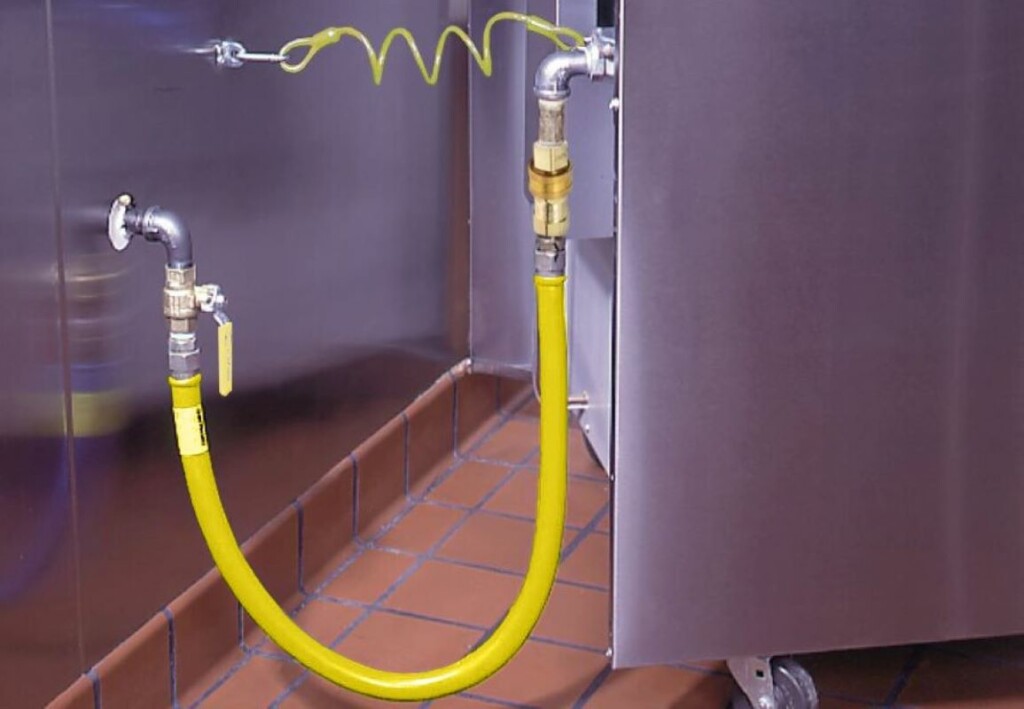
In the commercial foodservice industry, safety when installing or maintaining gas-operated equipment is vital. Gas connectors are an essential part of every commercial kitchen, and it is important to understand their function, as well as the codes and regulations that govern their installation, with safety as the foremost consideration. The danger of a gas leak stemming…
Read MoreTips for Retrofitting Existing Commercial Kitchen Ventilation Systems

FAQs: Retrofitting Existing Commercial Kitchen Ventilation Systems The restaurant industry sees frequent innovation and adaptation making it a common occurrence for a new restaurant concept to launch from an existing commercial space. The commercial kitchen and ventilation system in this space needs to be properly assessed and adapted according to the new concept’s expectations, along…
Read MoreHow to Attract and Retain Kitchen Staff During the Great Resignation
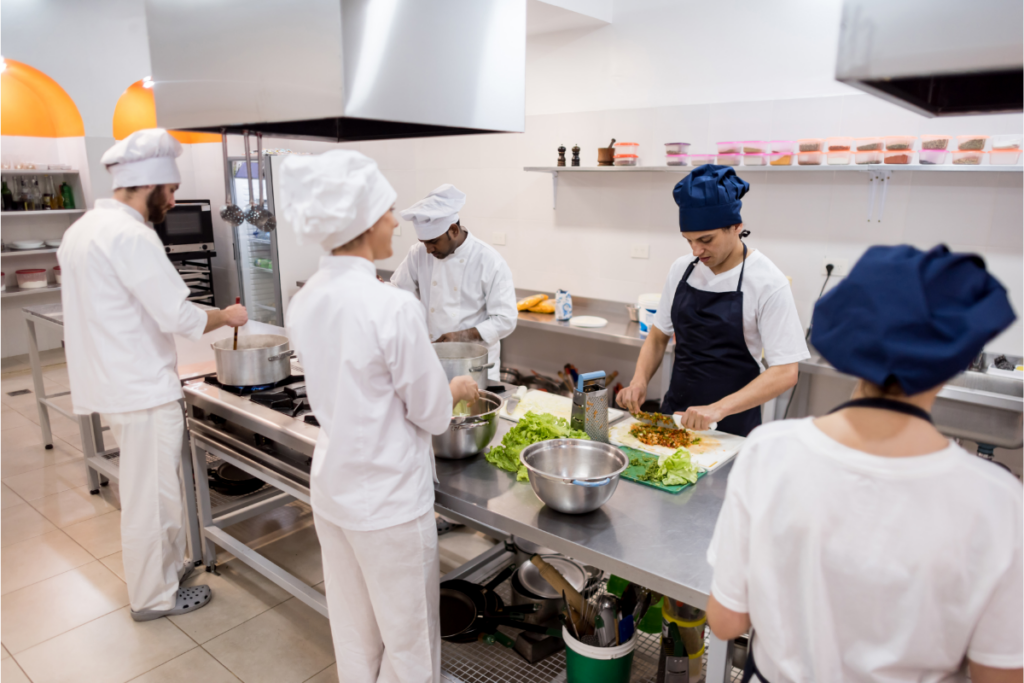
After two grueling years, COVID-19 restrictions on indoor dining are lifting and customers are hungry to eat out. That’s great news for restaurant operators, but they’re now facing a different challenge. Customers are coming back, but employees are not, or at least not at the levels operators say they need to run their restaurants. What’s…
Read MoreChefs Share Different Ways To Practice Sustainability in Restaurants

Participants of the Midwest Chefs’ Perspectives discuss mindful food sourcing and reducing food waste.
Read More